There is no special walk to master
In walking meditation, reaching a destination is not the main task. You choose a short stretch of ground and notice movement itself: weight shifting between your legs, a foot meeting the ground, and the intention to take another step. This differs from an ordinary walk during which you might talk, enjoy the surroundings, or think through your plans. Those activities are fine too; here you simply narrow the task for a few minutes. You do not have to move extremely slowly or reproduce a prescribed step. Begin at a natural pace. Walking too slowly can make balance harder and turn the exercise into controlling technique. You are noticing a familiar action, not learning a new gait. Exploring movement may sometimes feel more accessible than sitting in one position.
Choose a path that is easy to use safely
Find a level, unobstructed place where you can take about ten ordinary steps and turn safely. A quiet hallway or a familiar dry path may work. At home, remove loose objects that could trip you and consider other people using the space. Keep your eyes open and look in the direction you are moving. Avoid roads, stairs, slippery ground, and crowded stretches. Outside, awareness of traffic and your surroundings always comes first. Headphones and closed eyes are unnecessary. If there is little space, use a shorter path, but do not turn abruptly in a tight corner. Choose a seated exercise instead when needed. If you use a mobility aid, keep your usual safe way of moving; this guide does not replace individual mobility advice or ask you to give up support.
Begin with standing and one clear sensation
Stand briefly without locking your knees. Notice the soles of your feet meeting the ground and where your weight is supported. Then walk to the end of your chosen path at your usual pace. On the first pass, choose just one anchor, such as a foot touching the ground. Do not try to monitor your breath, both legs, your arms, and every muscle at once. On the return pass, you might notice weight shifting before another step. If this becomes a complicated mental explanation, return to the simple contact sensation. You do not need to identify the muscles or understand the anatomy of walking. Direct experience is enough: pressure appears, changes, and lessens. Your arms can rest naturally and breathing can follow its own rhythm without being matched to your steps.
Pause and turn at the end
At the end of the path, pause briefly. Notice that forward movement has stopped and check whether the return path is clear. Turn with several natural small steps rather than an abrupt pivot, then begin again. The pause may reveal a sense of hurry: your body is here, but your mind already wants to finish the next length. You do not have to remove that feeling. Allow time for one unhurried stop. Try going back and forth for about four minutes. A timer or a decision to complete four lengths can prevent constant clock checking. If counting takes over your attention, leave the number aside. A time frame helps you begin and finish; it does not turn steps into achievements or require you to continue when the exercise becomes uncomfortable.
Thoughts, discomfort, and interruptions
After a few steps, you may discover that you are planning dinner or replaying a recent conversation. You do not need to return to the beginning of the path. Notice the next contact with the ground and continue from where you are. If you become self-conscious about your gait, take a few completely ordinary steps and stop dividing the movement into parts. Pain, dizziness, or uncertain balance is a reason to stop, find support, or sit down, not to increase effort. If someone enters your path, give way. Finish the walking exercise before answering a call or speaking to someone. Practice does not require pushing through every interruption. Safety and consideration matter more than uninterrupted concentration. You can try one short length later without restarting the whole sequence.
Finish before rushing to the next task
After the final length, stand or sit for a moment. Notice the difference between movement and stillness. Which sensation was clearest? Did turning bring a sense of hurry? What pace allowed you to walk safely while noticing your steps? A few words are enough for an answer. Next time change only one thing, such as the length of the path or the duration. That makes it easier to understand what helps instead of inventing a new method every time. You can also use this attention approach during a short ordinary walk, without reducing awareness of your surroundings. If you would like to discuss the experience, register for our meditation meeting in Jõhvi and ask about moving and seated practice. Trying it independently does not require group attendance or a particular result.
Related guides
All resourcesAttention
Attentive listening: leave room before replying
A two-person exercise on an everyday topic: listen, notice rehearsed answers, and check your understanding without having to advise or agree.Teadliku Elu Keskus MTÜ · Read more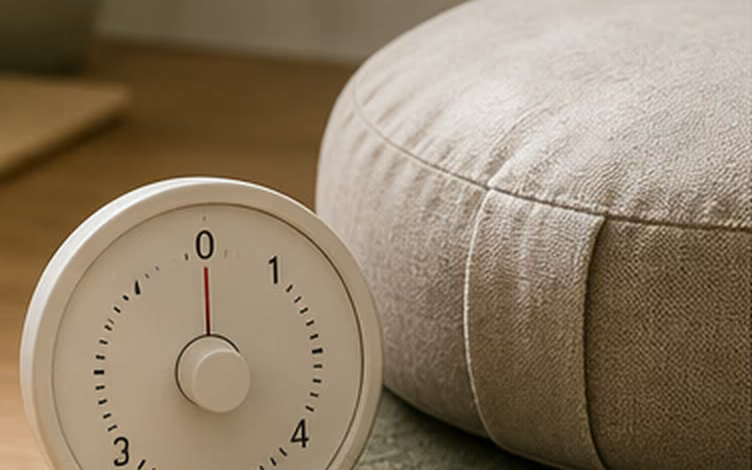
Meditation