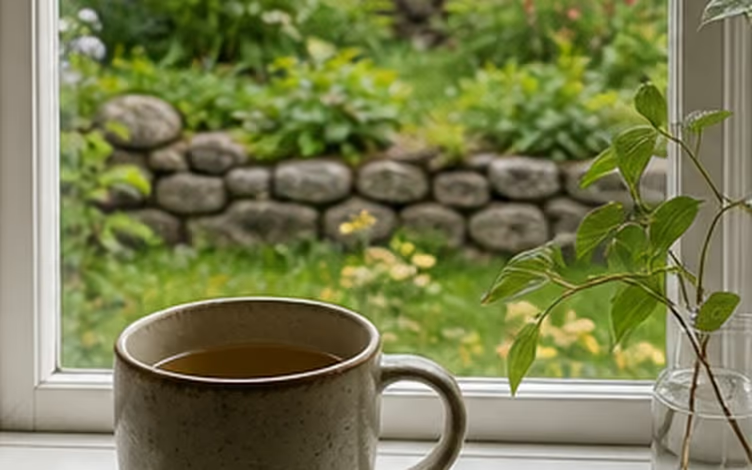
A pause between familiar activities
Everyday practice does not have to be long. A pause before answering a call, a moment before eating or calm breathing at a bus stop can already be mindfulness practice.
For an everyday pause, choose actions that already repeat: switching on the kettle, waiting for a lift, opening the computer or closing a door. Let one action signal two or three conscious breaths. Do not add a complicated new task to the day; use an existing transition. First notice the body’s position, then one sound, and finally what you intend to do next. This creates a small space for choice between automatic rushing and the next action.
Before replying or sending a message
A pause does not necessarily make work slower. Sometimes ten attentive seconds help you identify the true next task instead of opening several windows at once. Before sending an email, feel your fingers on the keyboard and read the text once more. Before replying in conversation, notice whether the jaw or shoulders are tense. These observations will not solve the entire situation, but they offer a chance to choose your action and tone with a little more clarity.
In conversation, a pause can protect your ability to listen. When the other person finishes a sentence, feel one exhalation before replying. Check whether you began preparing your answer while they were still speaking. A clarifying question may be more useful than immediate advice. In written conversation, reread the sharpest sentence before sending and see whether its meaning remains in more neutral language. A pause will not make every exchange easy, but it helps distinguish an automatic reaction from an intentional response.
While eating or waiting
The point is to notice what is happening now: body, sound, mood, thought. Sometimes three breaths are enough.
These small moments do not replace longer practice, but they help bring attention into an ordinary day.
Find a cue that works for you
Choose three pauses rather than an endless list: perhaps a morning drink, the beginning of lunch and the end of the working day. After a week, notice which arose naturally and which felt imposed. Keep the useful one and replace another. A habit grows through experiments. If you forget the pause, noticing that fact can become the next pause: feel your feet, breathe out calmly and continue from where you are.
To assess whether micro-pauses help, choose an observable behaviour rather than a general feeling. For one week, note whether you closed unnecessary windows at the end of work, ate lunch without the phone or noticed body tension before a hurried reply. Mark a successful instance with one dot in the calendar. If a cue does not work, move it to a different situation rather than adding many new pauses. One reliable moment per day is more valuable than an elaborate system that disappears after a few days.